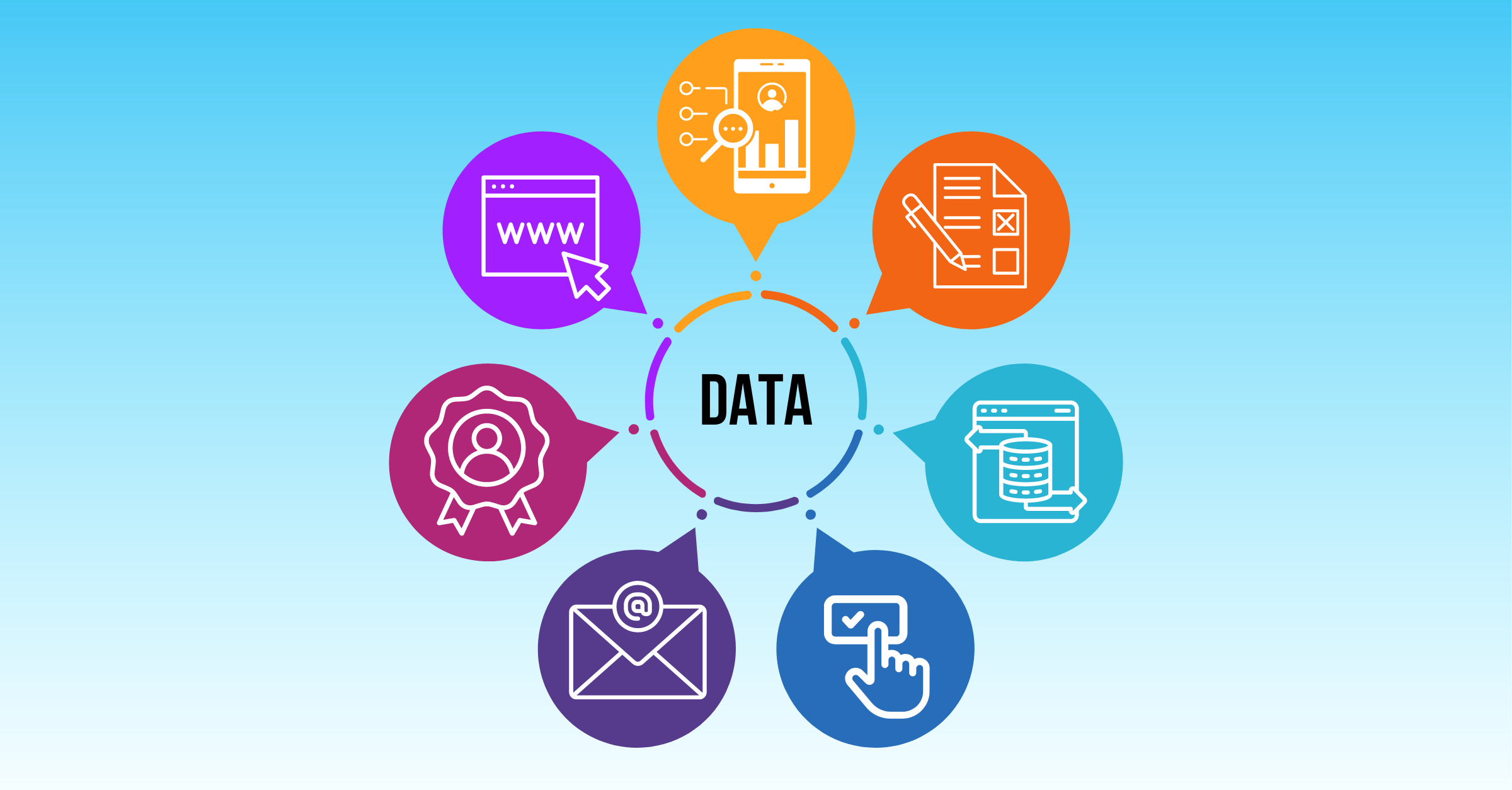
Modern marketing depends on more than creative campaigns and attractive advertisements. Businesses now use websites, social media, email platforms, customer relationship management (CRM) systems, advertising platforms, analytics tools, and e-commerce systems to reach and understand customers. The challenge is that these systems often collect valuable information separately. Without connected data, marketers may have plenty of information but still lack a complete picture of what customers are doing and what is actually driving results.
Connected data brings information from different marketing systems together so it can be analyzed and used as one more complete source of truth. This connection is becoming essential for businesses that want to make faster, smarter, and more personalized marketing decisions.
Creating a Complete View of the Customer
Customers interact with a business across multiple channels. Someone might first discover a company through a social media advertisement, visit its website, sign up for an email list, return through a search engine, and finally make a purchase after receiving a promotional email. When these interactions remain in separate systems, marketers may see each action independently rather than understanding the entire customer journey.
Connected data allows these interactions to be linked together. Marketers can see where customers came from, what they viewed, how they engaged, and what ultimately led to a purchase or other conversion. This creates a more complete customer profile and makes it easier to understand the path from awareness to action.
Improving Marketing Decisions
Good marketing decisions depend on accurate and timely information. Disconnected systems can create conflicting numbers, duplicated records, and incomplete reports. One platform may show a campaign generating hundreds of leads while another system shows that only a small percentage of those leads became customers.
When data is connected, marketers can compare information across platforms and evaluate performance more accurately. They can identify which campaigns generate valuable customers instead of simply measuring clicks, impressions, or website visits. This helps businesses move beyond surface-level metrics and focus on outcomes that affect revenue.
Enabling Better Personalization
Consumers increasingly expect businesses to provide relevant experiences. Connected data makes personalization much easier because marketers can use information from multiple customer interactions rather than relying on one source.
For example, a customer who has already purchased a product should not continue receiving advertisements designed for first-time buyers. By connecting purchase history, website activity, email engagement, and customer information, a marketing system can recognize where the customer is in the buying process and deliver more appropriate messages.
Personalization can improve customer experiences while also reducing wasted marketing spend.
Making Automation More Effective
Marketing automation is powerful, but automation is only as useful as the data behind it. If systems cannot share information, automated campaigns may trigger at the wrong time or send irrelevant messages.
Connected data allows businesses to build more intelligent workflows. A customer who fills out a form can automatically be added to a CRM, entered into an appropriate email sequence, assigned to a sales representative, and tracked through the purchasing process. As new information becomes available, other systems can respond automatically.
This reduces manual work and helps marketing and sales teams operate more efficiently.
Strengthening Marketing and Sales Alignment
Marketing and sales teams often struggle when they work with different information. Marketing may define success based on lead volume, while sales focuses on qualified opportunities and closed deals. Connected data gives both teams access to the same customer information and performance metrics.
With shared data, sales representatives can see how a prospect interacted with marketing campaigns before contacting them. At the same time, marketers can learn which leads became customers and use that information to improve future campaigns. This creates a continuous feedback loop between marketing and sales.
Supporting Better Measurement and Return on Investment
One of the biggest questions in marketing is simple: “What is actually working?” Answering that question becomes difficult when customer data is scattered across multiple platforms.
Connected systems make it easier to trace marketing activity through the customer journey and connect campaigns to business outcomes. This can help companies understand which channels deserve more investment and which activities may need to be changed or eliminated.
Rather than treating every marketing channel as an isolated activity, businesses can evaluate how the different pieces work together.
Connected data is not simply a technology upgrade. It is the foundation for more informed marketing. By bringing customer, campaign, sales, and behavioral information together, businesses can create a clearer view of their customers, improve personalization, automate processes, align teams, and make better investment decisions.
In a marketing environment where customers interact with brands through many different channels, disconnected systems create blind spots. Connected data removes many of those barriers and allows businesses to turn scattered information into useful, actionable insight. Ultimately, the goal is not to collect more data—it is to connect the right data so marketers can use it effectively.